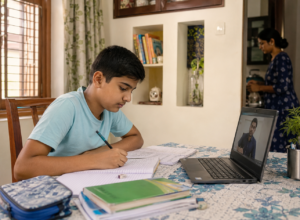
8 Qualities to Look for in a Home Tutor

Finding a home tutor is easy. Finding one who is genuinely right for your child takes more thought.
A tutor may have strong qualifications or years of experience, but that doesn’t automatically make them a good fit. Children learn differently, and the right tutor needs to understand how to explain concepts, build confidence and adapt to the child’s pace.
Whether you’re searching for a tutor near me, a private tutor or an online tutor, here are eight qualities worth looking for before making your choice.
1. Strong Subject Knowledge
A good tutor should have a strong understanding of the subject they teach. They should be able to answer questions, explain concepts clearly and approach a problem in different ways when a student doesn’t understand it the first time.
For school students, it can also help if the tutor understands the child’s class, syllabus and board, such as CBSE, ICSE or IB. For example, parents choosing a tutor for a CBSE student can refer to the official CBSE academic curriculum to understand the curriculum and academic resources relevant to their child’s class. This can help parents discuss the student’s syllabus and learning requirements with a prospective tutor.
However, subject knowledge is only the starting point. A tutor also needs to know how to communicate that knowledge effectively.
2. Explains Difficult Concepts Simply
A child shouldn’t have to understand a complicated textbook explanation before they can understand the tutor.
One sign of a good tutor is their ability to break difficult topics into smaller, easier steps. They may use examples, diagrams, questions or everyday situations to make a concept clearer.
If your child doesn’t understand something, a good tutor should be comfortable trying another explanation rather than simply repeating the same one.
The goal is not just to complete the syllabus. It is to help the child understand what they are learning.
3. Patient With Questions and Mistakes
Children learn through trial and error. They will get answers wrong, forget concepts and sometimes need the same topic explained more than once.
A patient tutor gives the child time to think and encourages them to ask questions without feeling embarrassed about making mistakes.
This is particularly important when a child has already lost confidence in a subject.
A good tutor should make it easier for the child to say, “I don’t understand this”, rather than feel afraid to ask.
4. Adapts to the Child’s Learning Style
There is no single teaching method that works for every student.
One child may learn quickly through examples, while another may need visual explanations or repeated practice. Some students need more time to process a concept, while others benefit from challenging questions.
A good tutor pays attention to these differences and adjusts their approach accordingly.
When searching for a private tutor near you, don’t only ask about their qualifications. Consider whether they can adapt their teaching to your child’s specific needs.
5. Communicates Clearly With Parents and Students
Good communication matters both inside and outside the lesson.
A tutor should be able to explain concepts clearly to the student and communicate relevant feedback to parents. Parents should have a basic understanding of what their child is learning, where they are struggling and what needs more practice.
At the same time, the tutor should create an environment where the child feels comfortable asking questions and expressing difficulties.
You don’t need constant updates. What matters is clear and useful communication.
6. Is Reliable and Consistent
A great tutor who frequently cancels sessions isn’t much help to a child who needs a regular learning routine.
Before hiring a home tutor near you, consider whether their availability fits your child’s schedule and whether they can commit consistently.
Regular sessions can help children build study habits and maintain continuity between lessons.
Reliability also includes being prepared for sessions, keeping track of previous topics and following through on agreed learning goals.
7. Focuses on Progress, Not Just Homework
Tutoring shouldn’t become another way for a child to simply finish their homework.
A good tutor should try to understand why the child is struggling.
For example, if a Class 8 student repeatedly makes mistakes in algebra, the issue may not be the current homework. There could be a gap in an earlier concept that needs to be addressed first.
The tutor should identify these gaps and help the child gradually become more confident and independent.
Parents should therefore look beyond marks and ask whether their child is actually understanding more and needing less help over time.
8. Builds Confidence and Independence
The best tutors don’t try to make themselves permanently necessary.
A good tutor should help a child become more confident about asking questions, solving problems and attempting difficult topics independently.
This can be particularly valuable for students who believe they are simply “bad” at a particular subject.
Progress may look different for every child. It could mean participating more in class, attempting questions without giving up, making fewer repeated mistakes or becoming comfortable with a subject they previously avoided.
The ultimate goal is not just better grades. It is helping the child learn with greater confidence and independence.
Questions to Ask Before Hiring a Tutor
Before choosing a home tutor near you, it helps to understand how they plan to work with your child. A short conversation can reveal whether their approach matches what your child needs.
Ask about:
- Teaching experience: Which classes and subjects have they taught?
- Board familiarity: Have they taught the child’s CBSE, ICSE or other curriculum?
- Learning approach: How do they handle a student who is struggling with a topic?
- Lesson structure: What does a typical session look like?
- Progress: How will they assess and communicate the child’s improvement?
- Schedule: Can they commit to the required days and timings?
- Fees: What is included in the tuition fee, and are there any additional costs?
- Trial session: Is there an opportunity to have an introductory session before committing?
The answers can help you understand not just what the tutor knows, but how they plan to support your child’s learning.
What Should Parents Check Before Hiring a Tutor?
Before choosing a tutor near you, compare a few practical factors:
| What to Check | Why It Matters |
|---|---|
| Subject expertise | Ensures the tutor understands the subject. |
| Class and board experience | Helps align lessons with the curriculum. |
| Teaching approach | Determines whether your child can follow the lessons. |
| Availability | Helps maintain a consistent routine. |
| Communication | Keeps parents informed about progress. |
| Fees | Ensures the arrangement fits your budget. |
| Reviews or references | Provides additional context. |
| Trial session | Helps assess tutor-child compatibility. |
You don’t need to find the tutor with the longest list of qualifications or the highest fee.
You need to find someone whose experience, teaching style and approach match your child’s needs.
Looking for a Tutor Near You?
Finding the right tutor shouldn’t mean going through endless profiles and choosing based only on price. Bodha Minds helps parents explore tutors based on their child’s subject, class, learning requirements and preferred learning format.
Find the Right OnlineTutor for Your Child →Frequently Asked Questions
What makes a good tutor?
A good tutor combines subject knowledge with patience, clear communication, adaptability and reliability. They should also help students build confidence and become more independent learners.
How do I find a good tutor near me?
Start by identifying your child’s subject, class, board and learning needs. Then compare tutors based on their subject expertise, experience, teaching style, availability, fees and reviews or references.
Should I choose a tutor based only on qualifications?
No. Qualifications are useful, but they don’t necessarily show how well a tutor can teach your child. Teaching style, communication, patience and the ability to adapt can be equally important.
Is a home tutor better than an online tutor?
Neither is automatically better. A home tutor can provide face-to-face learning, while an online tutor may offer greater flexibility and access to tutors outside your local area. The right choice depends on your child’s needs and preferences.
How can I tell if my child is improving with a tutor?
Look beyond marks. Consider whether your child understands concepts better, makes fewer repeated mistakes, participates more confidently and is becoming more independent when solving problems.
Find the Right School for Your Child
Explore CBSE, ICSE & IB schools in Bangalore. Check real-time ratings, dynamic GPS coordinates, and complete fee charts instantly.